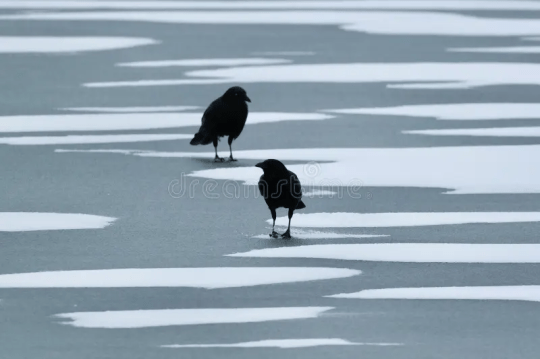
Orthoepy

The pronunciation of words is a pedants playground. Neether, nyether, eether, eyether, potato, potahto: A slew of words (all words?) have several different ways they can be pronounced. Most people think there is a right way and a wrong way; but language is not mathematics. Words are not rocks.

All languages and the words that make them have evolved in a fashion that is best described as organic. Proto-language, the predecessor of the estimated 6500 languages currently spoken around the globe, provided the raw material and use created the many variations.

‘Niche,’ for example, is usually pronounced ‘neesh’ by French men and women. Americans are more likely to say ‘nitch.’ A third possibility is ‘neetch.’ All are correct. If more professors and students at Harvard say ‘nitch,’ that pronunciation is liable to become the ‘correct’ way to say the word. You will be corrected if you don’t play the game. Harvard cannot possibly be in err.

Spelling goes hand in hand with pronunciation. Yer gonna get put down like a mangy dawg if’n yer spellins bad and ya caint even speak human. Read Shakespeare. His English is Elizabethan. Spelling and pronunciation were far more fluid then than they are now.

Time and space molds language. Everything is in flux. Right and wrong don’t exist. Mark Twain and Henry James are both recognized as great writers. Twain spun yarns using colloquialisms, plain talking. James crafted his stories with formal precision, grammar and syntax just so. Both writers were marked by their styles, both praised and criticised.

I suggested to my students that versatility was a virtue. When hangin with their buddies, be Twain. When interviewing for a new job, perhaps James would better serve. Always a good thing to be yerself.

Kinda fun to crank off a formal essay, too. Good to have more than just a hammer in the old toolbox.
The Ruckus Of Birds

The following is an excerpt from my book THE RUCKUS OF BIRDS. The book is available at The Book Patch Bookstore and through Kobo eBooks.

The history teacher, union man, something or other with the CTA, pushing for the Road Act, or Rhode, or rode, or … that business, he couldn’t remember, Jerry Brown signing just before running off with that singer, what’s her name, Arlo his name like the singer or not, too pat, Arlen it was, befriended me, gave me a bit of trivia saying mnemonics most helpful for the lumpenproletariat, and so it was I told the class that Shakespeare whom you might have heard of, was a poet, yes, but also, among other things, a well versed birder. The natural world playing its part in the man’s productions, if you haven’t read Romeo and Juliet perhaps you have seen the movie, a nod or two, and perhaps they managed to include this scene, the fifth it is, from Act III, the orchard of Juliet’s family what’s their name nevermind, you’ll remember the setting, the scene, early one morning, four or five when the cows get milked, a laugh then, the couple having this secret nighttime tryst arguing about a bird they hear outside the window, or rather, that is, Juliet is in the window and the bird is in the orchard and Romeo has climbed a vine or somesuch and says or Juliet says … anyone remember? The movie … nevermind, Romeo says, Is it a nightingale or a skylark? The question, of course, is a matter of life or death for Juliet’s father is coming with his shotgun bringing a snort and guffaw, and Romeo says, If it’s the lark singing, that means the dark is passing, the day is breaking and I must flee. Juliet argues for the nightingale, you see, wishing to prolong … but Romeo insists on the lark, the hearald of the morning and Juliet the night and the arrival of the nurse, caring soul that she is, ends the discussion, this little tete a tete, falling for the most part on deaf ears.

He preferred onomonopea wouldn’t want to be ya, his little list of sounds they make squeaks and squawks, gurgles, warbles, trills, rattles, gulps and pops, whines, clicks, croaks, drums, whistles and howls, tremolos, thumps, honks and many other sorts of sounds. As many as the words—often neologisms, Carroll again—the words we create to define them.

Words, mnemonic or otherwise, he thinks, are all too often ambiguous, just saying hi how are ya can be frought with hidden agendas and seeing the word on a page no help, the confusion persists and ignorance more likely for the spoken word provides some context at least like plays, but the modern play, especially the modern play, Pinter say, or Beckett’s regurgitations and the like, leave so much to the reader’s imagination or the watcher’s that it becomes burdensome, onerous. Shakespeare, too, for that matter. Perhaps it is the nature of plays. Or, if looked at from a … if all we say or write is considered objectively, if that could be done, what we say or write is often like the modern play, and the sounds reosnate with ambiguity, cryptic, enigmatic, so much left to connotation, decoding, we hear what our experience allows us to hear, education and experience providing context, a function of human language unlike the language of birds, or so it seems, melodious phrases and distinct almost syllabic calls. Do gulls ever misunderstand the message as they strut upon their windswept beach or joyously riding the sweep of wind?

Pang, pang, pang. Tilt of head, bleak black eye, cawing, then suddenly up and away.

Told me, ha, so he did.